This article examines Rahul Gandhi’s recent campaign rhetoric in Tamil Nadu, focusing on his allegations against the AIADMK leadership and the broader ideological battle between the DMK-Congress alliance and the BJP-RSS vision for India’s federal structure.
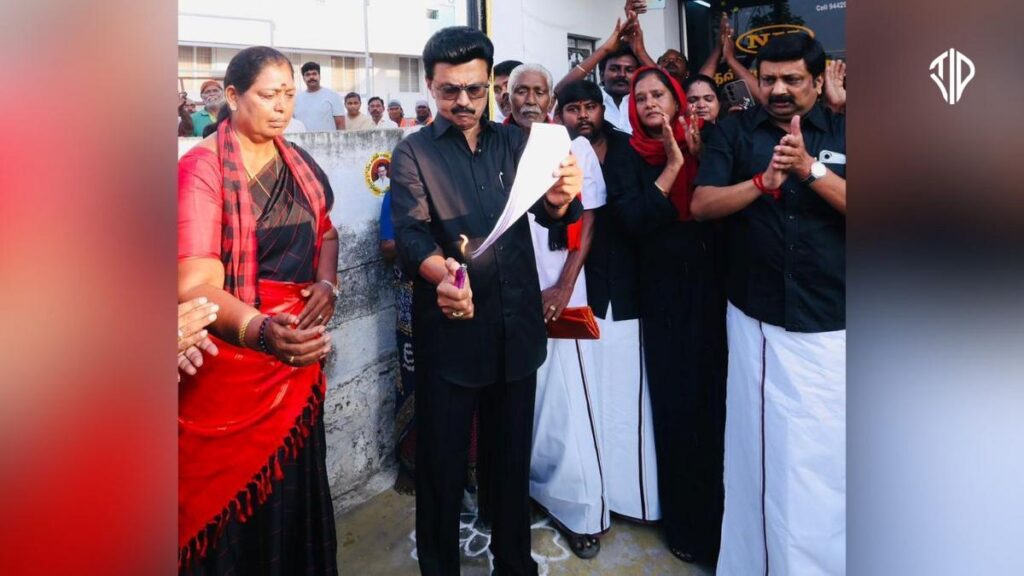
During a series of public rallies in southern districts like Kanniyakumari and Tirunelveli, the political climate in Tamil Nadu shifted as national narratives met regional identity. Rahul Gandhi’s visit marks a critical point in the lead-up to elections, where the struggle for state autonomy is becoming the central theme of the political discourse.
These addresses highlight the friction between regional parties and national alliances. The discourse centers on whether Tamil Nadu’s governance should remain locally rooted or if it is being influenced by external ideological frameworks dictated by New Delhi. This tension often defines the electoral outcomes in the southern corridor.
The Allegation of Political Surrender
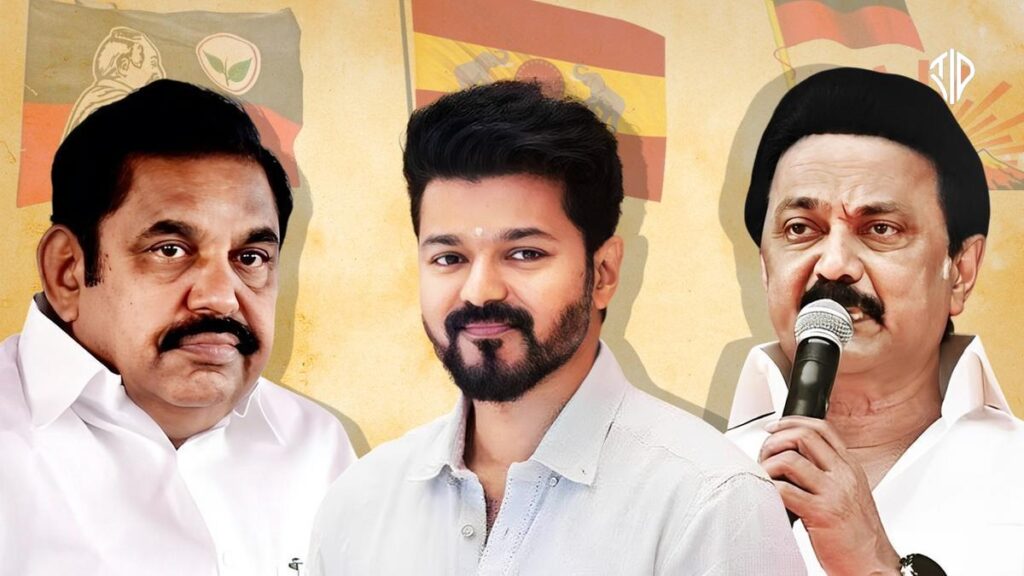
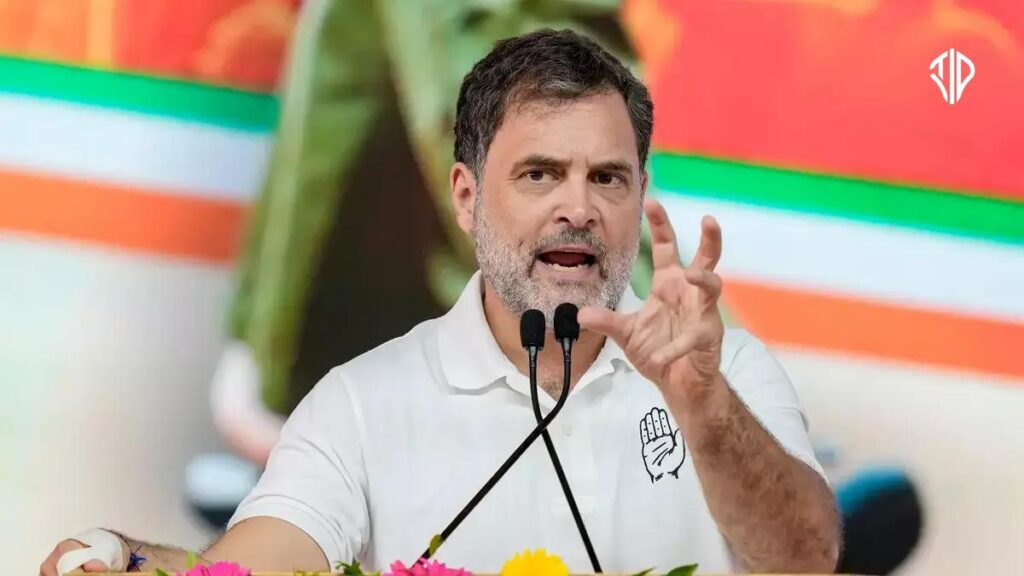
In a series of high-decibel speeches, Rahul Gandhi claimed the AIADMK has become a hollow shell. He argued the party, once a powerhouse of regional pride, has now surrendered its autonomy to the BJP. Gandhi suggested that corruption within the AIADMK leadership has made them vulnerable to influence from the national ruling party.
Historically, the AIADMK played a vital role in the progress of the state. Leaders like M.G. Ramachandran and J. Jayalalithaa were seen as icons of Tamil interests. Gandhi noted that the current leadership has shifted away from this legacy, effectively acting as a gateway for the BJP to expand its footprint in a state that has traditionally resisted it.
A Clash of Ideological Visions
The core of the dispute lies in the concept of decentralization, which refers to the distribution of administrative powers to local and state levels rather than centralizing them. Gandhi emphasized that the people of each state should govern themselves. He contrasted this with the BJP’s alleged goal of a single tradition and language.
The Congress leader positioned himself as a soldier in Delhi for the Tamil people. He argued that the DMK and Congress alliance stands as a defensive wall for Tamil culture. By targeting the RSS (Rashtriya Swayamsevak Sangh), Gandhi framed the struggle as a fight against an ideology that seeks to diminish regional diversity in favor of a unitary national identity.
Comparing Political Frameworks
| Feature | DMK-Congress Alliance Vision | BJP-AIADMK Aligned Vision |
|---|---|---|
| Primary Governance | Decentralized and state-led | Unitary and centrally influenced |
| Cultural Policy | Protection of Tamil linguistic pride | Emphasis on a unified national history |
| Ideological Base | Dravidian social justice | National integration and Hindutva |
| Political Stance | Defensive of regional autonomy | Expansionist national narrative |
The Dravidian Resistance
The term Dravidian refers to a political and social ideology originating in South India that emphasizes the distinct cultural identity of Tamil speakers. Gandhi noted that the BJP-RSS combine finds this idea challenging because it represents a form of resistance they cannot easily absorb or overcome through traditional political maneuvers.
This ideological clash is not new. Historically, Tamil Nadu has been the epicenter of movements against the imposition of a single national language. By invoking these historical parallels, Gandhi seeks to tap into the deep-seated sentiment of linguistic pride that has governed the state’s politics for over five decades.
Actionable Takeaways for Voters
Understanding these shifts is crucial for any observer of Indian realpolitik. For the local electorate, the choice presented is between a party system that prioritizes state-level decision-making and one that integrates more closely with the national agenda. This election could redefine the relationship between the center and the states.
The outcome will likely impact legislative trends regarding education, language policy, and economic distribution. As the campaign intensifies, the focus remains on whether the AIADMK can reclaim its independent image or if the narrative of its surrender to the BJP will stick in the minds of the voters across the southern districts.
Key Takeaways
- The 2024 campaign discourse in Tamil Nadu is centered on the preservation of state autonomy against centralized national influence.
- Rahul Gandhi characterizes the current AIADMK leadership as having surrendered its regional legacy to the BJP due to internal vulnerabilities.
- The political divide is framed as a choice between decentralized, state-led governance and a unitary, expansionist national narrative.
- Linguistic pride and Dravidian ideology continue to serve as the primary defensive mechanisms for Tamil Nadu’s political identity.
Follow us on Instagram (@inner_detail) for more updates in your feed.