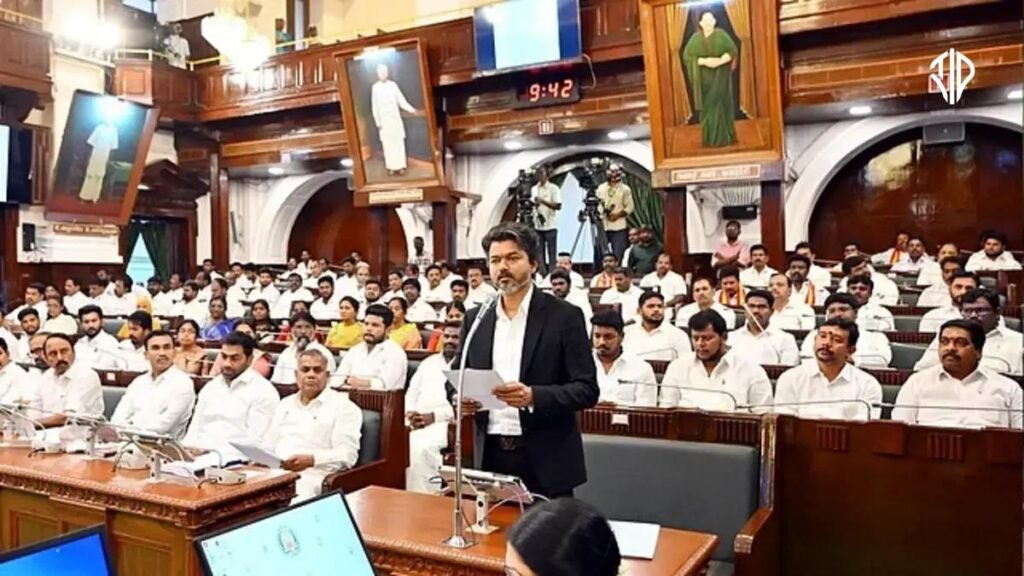
Water sharing disputes remain a foundational element of regional stability in Southern India, frequently testing the limits of federalism. The recent legislative action in Tamil Nadu underscores the delicate balance between state infrastructure development and the rigid legal framework governing trans-boundary river resources.
When a state attempts to alter the flow of a shared river through large-scale construction, it triggers a chain reaction of legal, environmental, and diplomatic responses. The Mekedatu project represents a flashpoint where local economic interests collide with long-standing interstate water allocation agreements, sparking a constitutional debate.
Legislative Resistance to Infrastructure
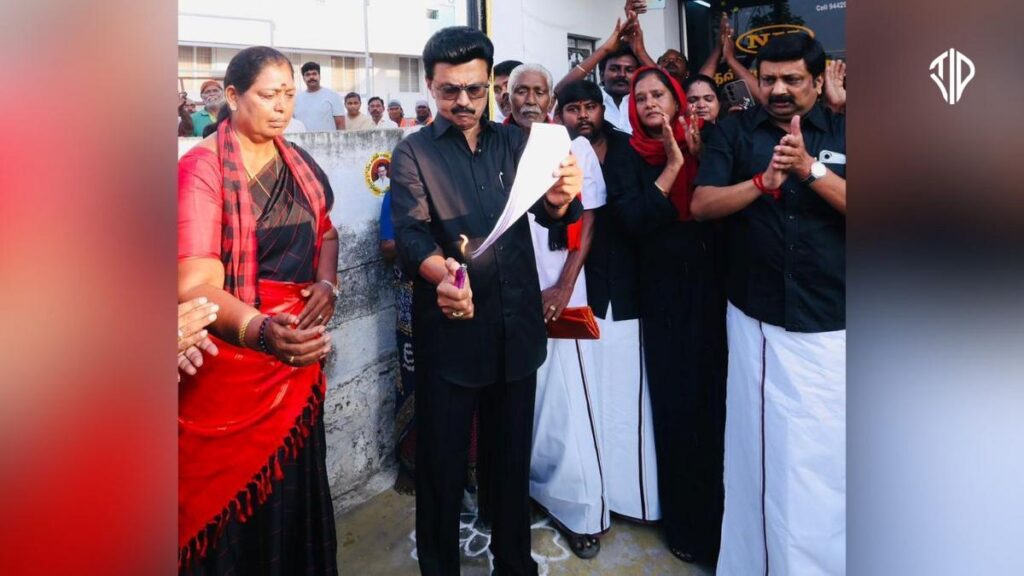
The Tamil Nadu Assembly has formally registered its disapproval of the Mekedatu balancing reservoir project, which involves an estimated capital expenditure of 9,000 crore rupees. By passing a unanimous resolution, the state government has signaled to the Union Ministry of Jal Shakti that any clearance granted to Karnataka would be a violation of the existing water-sharing arrangements mandated by the Supreme Court.
The core argument put forth by the state is that the Cauvery basin is already fully utilized. Any further abstraction of water, even for a balancing reservoir intended for drinking water supply, is viewed as a threat to the downstream agricultural economy, which depends heavily on the seasonal discharge mandated by the Cauvery Water Disputes Tribunal.
Historical Context and Legal Precedents
The current deadlock is not an isolated event but a continuation of decades of litigation. The Cauvery River, often called the lifeline of the region, has been the subject of intense oversight by judicial bodies since the formation of the Cauvery Water Disputes Tribunal in 1990. The legal framework surrounding the river is defined by the final award of 2007 and the subsequent Supreme Court judgment in 2018.
Legislative actions like the one recently witnessed serve as a reminder of the fragility of these agreements. Below is a summary of the competing claims between the two states regarding the project:
| State | Primary Concern | Stance on Mekedatu |
|---|---|---|
| Karnataka | Drinking water needs for Bengaluru | Essential for urban utility |
| Tamil Nadu | Protection of downstream irrigation | Infringement on water awards |
| Union Government | Balancing federal cooperation | Arbiter of technical clearances |
Defining the Legal Landscape
It is essential to understand that water is a state subject under the Indian Constitution, yet the management of interstate rivers falls under the purview of the Union government. The doctrine of equitable apportionment governs these disputes, meaning each state is entitled to a fair share of the water based on necessity and historical usage. Tamil Nadu argues that Karnataka’s move to unilaterally initiate the project bypasses the consensus required among all basin states.
The dispute also touches upon the role of the Cauvery Water Management Authority. This body was created to implement the Supreme Court’s orders and monitor water release schedules. The challenge for this authority is to remain neutral while states exert political and social pressure to secure their immediate utility needs.
Economic and Environmental Impact
The financial scale of the project is massive, but the environmental footprint is equally significant. A dam at the proposed site at Mekedatu, situated at the confluence of the Cauvery and Arkavathi rivers, would alter the flow dynamics of the river. Critics argue that this would decrease the sediment flow and impact the biodiversity of the region, which has already been altered by existing projects.
For the agricultural sector, the stakes are existential. The delta regions of Tamil Nadu rely on the periodic discharge of water to sustain paddy cultivation. Any reduction in flow during non-monsoon months, even if intended for non-agricultural use by an upstream state, is perceived as a direct violation of the water awards that guarantee minimum flow levels.
Pathways for Resolution
Resolving such entrenched issues requires more than just political resolutions; it necessitates a scientific approach to water management. Increased transparency in dam operations and the adoption of modern water-saving technologies in irrigation could mitigate the intensity of future conflicts.
- Implementation of joint monitoring protocols for water flow.
- Deployment of remote sensing technology to track real-time reservoir levels.
- Establishing high-level technical committees to review the impact of new projects.
- Promoting a culture of demand-side management in urban water consumption.
Key Takeaways
- The Mekedatu project is a 9,000 crore rupee flashpoint testing the legal boundaries of the Cauvery water-sharing awards.
- Tamil Nadu maintains that the basin is fully utilized and any further abstraction threatens the downstream agricultural economy.
- Sustainable resolution depends on the Cauvery Water Management Authority maintaining neutrality amidst high political stakes.
- Technological integration and demand-side management are essential pathways for future regional stability.
Civic engagement remains a vital part of this discourse. Citizens should be aware that the management of shared resources is not merely a legal battle between state governments, but a policy challenge that impacts food security, urban sustainability, and inter-state harmony. Maintaining a informed perspective on these legislative developments ensures that the focus remains on equitable distribution and environmental integrity.
Follow us on Instagram (@inner_detail) for more updates in your feed.