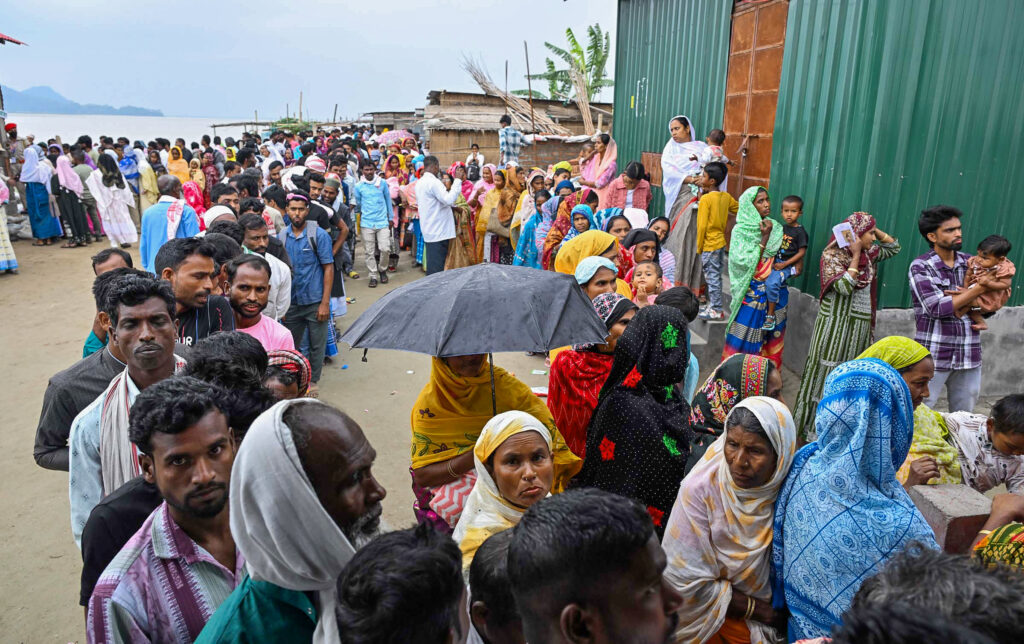
The 2026 assembly elections have emerged as a significant barometer for the political direction of the Indian subcontinent. As vote counting progresses across Kerala, Assam, Tamil Nadu, and Puducherry, early data indicates a robust performance by the Indian National Congress (INC) and its coalition partners, signaling a potential shift in regional power dynamics.
Voters in these diverse states have participated in a process that determines not only local governance but also the balance of power within the national parliamentary framework. The implications of these results extend beyond state borders, influencing policy trajectories and legislative priorities for the coming term.
Historical Context and Political Shifts
Historically, Kerala has witnessed a pendulum-like swing between the United Democratic Front and the Left Democratic Front. The current trends suggest a notable consolidation for the INC-led alliance, reflecting shifting public sentiments toward economic management and social infrastructure. Similarly, Assam presents a unique case where regional identity and development discourse often define the electoral outcomes.
In Tamil Nadu and Puducherry, the alliance dynamics remain central to the success of the national parties. The ability of the Congress to secure wins in these regions indicates an effective alignment with local political aspirations. Comparing these trends to the 2021 assembly elections, the current momentum suggests that the party has successfully addressed the concerns of diverse voter demographics.
Analyzing the Regional Electoral Landscape
The following table provides an overview of the projected performance metrics across the contested states, highlighting the competitive nature of these legislative contests.
| State | Primary Coalition | Trend Status | Impact Level |
|---|---|---|---|
| Kerala | UDF | Strong Lead | High |
| Assam | INC Alliance | Consistent Gain | Moderate |
| Tamil Nadu | INC/Partners | Selective Wins | High |
| Puducherry | INC/Partners | Competitive | Moderate |
The strategic emphasis on grassroots campaigning appears to have yielded tangible results. By focusing on issues such as inflation, employment, and regional economic stability, the INC has managed to resonate with a broad spectrum of the electorate. This strategy mirrors successful efforts in past decades where localized issues were elevated to the national level to build broader consensus.
The Importance of Legislative Coalitions
The practice of forming pre-poll alliances is a hallmark of the current Indian political system. These coalitions are essential for consolidating votes against dominant opposition blocs. In states like Tamil Nadu, the ability of the Congress to work alongside regional parties underscores the flexibility required to maintain political relevance in an increasingly fragmented parliamentary environment.
Legislative success is not merely measured by the number of seats won, but by the ability to implement policy. A strong showing allows the party to influence the legislative agenda, pushing for reforms that align with its core platform. Voters who participated in this cycle were clearly focused on the tangible impact of these policies on their daily lives, from state subsidies to public service efficiency.
Future Implications and Policy Direction
As the results finalize, the focus will shift toward the formation of state governments and the appointment of key ministerial portfolios. The national leadership of the INC will likely use these victories to bolster their position in upcoming parliamentary sessions. This provides a platform to challenge the incumbent administration on national issues including trade, economic interest rates, and federal oversight.
Observers should monitor the post-election negotiations, as these are often where the real policy battles are fought. The inclusion of new, younger leadership in these states may also signal a transition in the party’s ideological approach. For the citizen, these results represent a demand for accountability and a push for more transparent governance at the state level.
Civic engagement remains the backbone of this process. As these assembly seats are finalized, the public can participate by reviewing the legislative records of their newly elected representatives and engaging in local town hall discussions. Understanding the mechanics of these wins is the first step in ensuring that elected officials remain committed to their stated platforms and the long-term needs of their constituents.
Key Takeaways
- Early counting data shows a robust performance by the INC and its coalition partners in Kerala, Assam, Tamil Nadu, and Puducherry.
- Strategic focus on grassroots issues such as inflation and employment has been a key driver in resonating with diverse voter demographics.
- Pre-poll alliances continue to be a vital strategy for maintaining political relevance and consolidating legislative influence.
- The 2026 results reflect a strong public demand for governance transparency and accountability at the state level.
Follow us on Instagram (@inner_detail) for more updates in your feed.