This article deconstructs the Special Intensive Revision (SIR) of India’s electoral rolls, exploring why opposition parties allege it is a tool for disenfranchisement and how it impacts the democratic landscape ahead of major elections.
In the administrative hubs of West Bengal and the rural districts of Bihar, a massive bureaucratic operation is quietly reshaping the future of Indian elections. Known as the Special Intensive Revision (SIR), this process aims to update the electoral roll, yet it has quickly become a flashpoint for intense political conflict and social anxiety.
Behind the spreadsheets and verification forms lies a narrative of human struggle and democratic integrity. While the government views it as a necessary cleanup of the voter list, opposition leaders argue it represents a systemic attempt to silence specific communities and manipulate the upcoming electoral outcomes through strategic deletions.
What is the Special Intensive Revision (SIR)?
The Special Intensive Revision is an extensive administrative exercise conducted by the Election Commission of India (ECI) to ensure the accuracy of voter lists. Its stated goal is to remove deceased individuals, duplicate entries, and those who have permanently migrated. This ensures that only legitimate citizens participate in the democratic process.
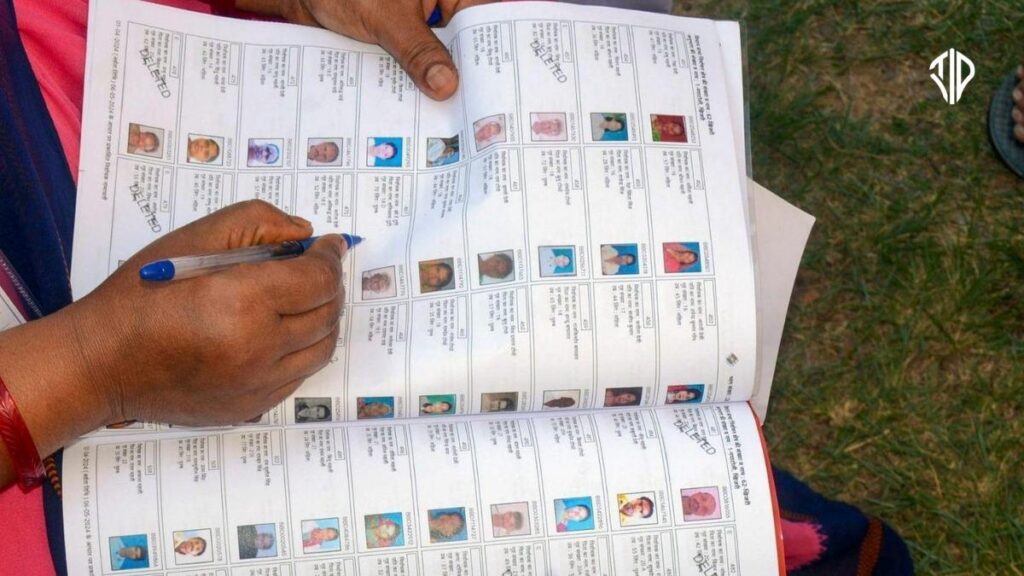
If a specialized term like electoral roll is used, it simply refers to the official list of people in a district who are entitled to vote in an election. During an SIR, officials often conduct door-to-door visits to verify the residency and identity of every person listed on these registers to maintain data purity.
Decoding the ‘Vote Chori’ Allegation
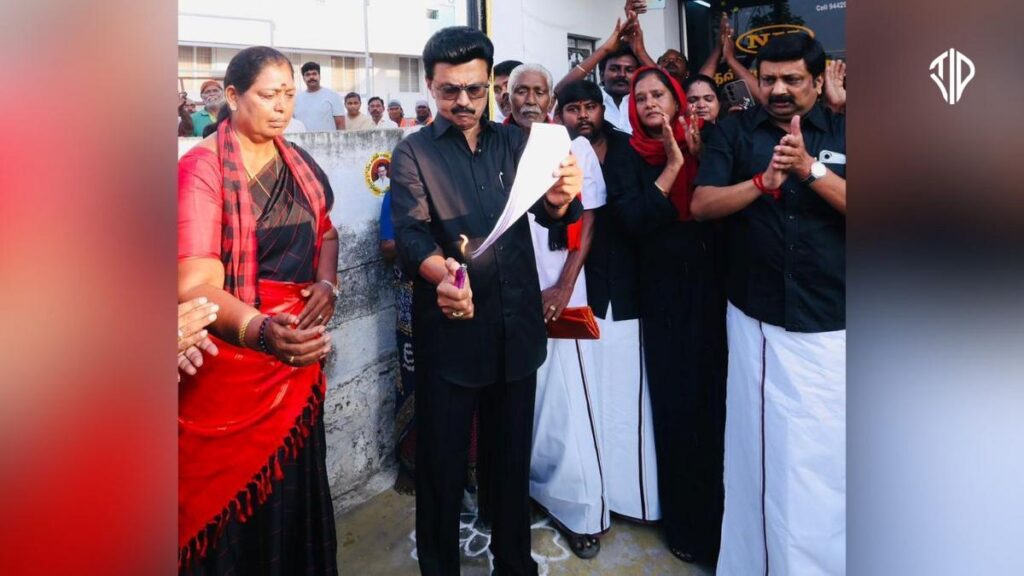
Leaders from the Indian National Congress (INC) and the Dravida Munnetra Kazhagam (DMK) have labeled this process vote chori, or vote theft. They argue that the SIR is not merely a clerical update but a targeted mechanism to disenfranchise minority groups and poor voters who traditionally support the opposition parties.
Rahul Gandhi recently claimed in parliament that the SIR acts as a covert National Register of Citizens (NRC). Critics point to the recent Bihar elections, where over 6.5 million names were removed, as evidence. Many individuals later claimed they were still alive and resident in their districts despite being struck from the roll.
The Government Rationale: Detect and Delete
The ruling Bharatiya Janata Party (BJP) maintains that the SIR is vital for national security and the purity of the ballot. Home Minister Amit Shah has described the policy as one of detect, delete, and deport, aimed primarily at removing illegal immigrants who have allegedly infiltrated the electoral system over several decades.
The government argues that democracy cannot be truly representative if illegal residents influence the choice of the Prime Minister or Chief Ministers. They view the opposition outcry as a defensive move to protect specific vote banks rather than a genuine concern for democratic principles or the rights of the common citizen.
Regional Concerns and Human Consequences
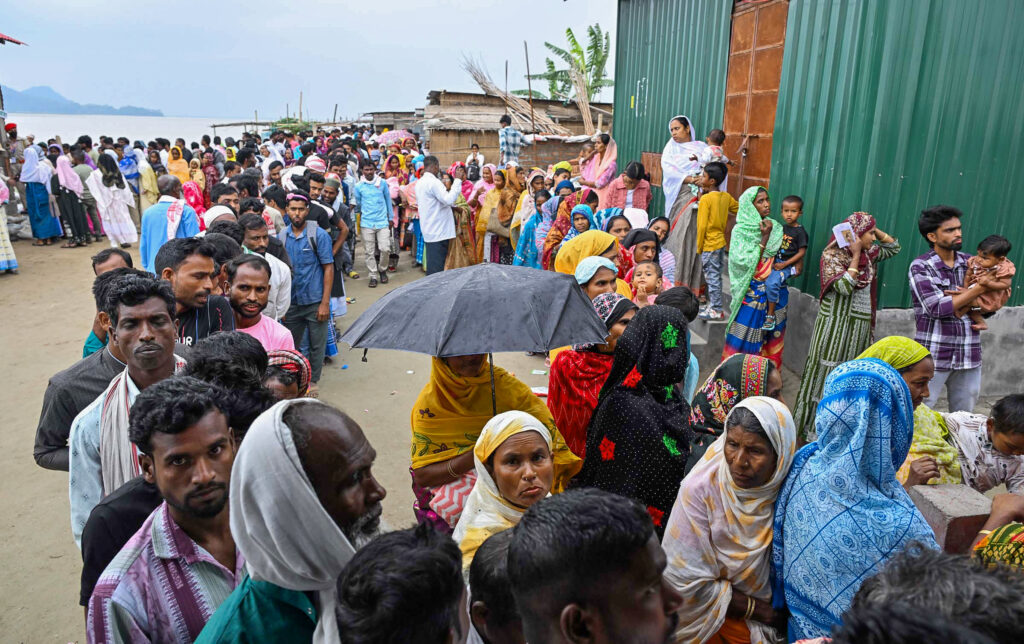
In West Bengal, Chief Minister Mamata Banerjee has linked the stress of the SIR process to instances of self-harm among residents who fear losing their citizenship. The anxiety is particularly acute among Muslim laborers who may lack the formal documentation required to prove their Indian heritage during the intensive verification phase.
Conversely, reports suggest that certain groups, such as Hindu migrants from Bangladesh, are being reassured of their safety under the Citizenship Amendment Act (CAA). This perceived disparity in treatment has fueled accusations that the electoral roll is being redesigned to align with a specific ideological vision of the state.
Comparing Perspectives: ECI Goals vs. Opposition Fears
| Feature | Official ECI Objective | Opposition Allegation |
|---|---|---|
| Deletion Criteria | Deceased or moved voters | Targeted minority removal |
| Verification Process | Door-to-door validation | Intimidation of poor voters |
| Data Accuracy | Cleaning duplicate entries | Engineering a favorable voter base |
| Legal Standing | Routine administrative task | Covert citizenship survey |
| Transparency | Publicly available lists | Collusion with the ruling party |
Historical Parallels and Legal Frameworks
The current SIR finds historical echoes in the Assam NRC exercise, which left nearly two million people in a state of legal limbo. Historically, electoral roll revisions have been routine, but the scale and the political climate surrounding the current SIR have transformed it into a landmark event in modern Indian constitutional history.
The legal basis for such revisions is found in the Representation of the People Act, 1950. However, the implementation phase is where the controversy lies. Critics argue that when bureaucratic power is used without sufficient oversight, it can lead to gerrymandering, which is the manipulation of electoral boundaries or voter lists to favor one party.
Actionable Takeaways for Voters
Citizens should proactively verify their status on the official National Voters’ Service Portal (NVSP) to ensure their names remain on the list. If a name is missing, Form 6 should be filed for new registration, or Form 8 for corrections. Engaging with local Booth Level Officers (BLOs) is essential for maintaining individual voting rights.
Voter awareness is the strongest defense against potential errors in the SIR process. By checking the status of family members and neighbors, communities can ensure that no legitimate voice is silenced. Democracy relies on the participation of every eligible citizen, and staying informed is the first step toward protecting that right.
Key Takeaways
- The Special Intensive Revision (SIR) is an administrative cleanup of India’s electoral rolls that has become a major source of political tension.
- Opposition parties allege the process is used for “vote chori” by targeting minority groups and poor voters for deletion.
- The government maintains the revision is essential for national security and preventing illegal residents from influencing elections.
- The process has caused significant social anxiety in states like West Bengal and Bihar, with concerns over documentation and legal status.
- Individual voters should use tools like the NVSP portal and contact local Booth Level Officers to verify and protect their right to vote.
Follow us on Instagram (@inner_detail) for more updates in your feed.