An analytical review of the Thiruparankundram Hill controversy, exploring the BJP’s religious branding strategies and the complex caste dynamics influencing the Tamil Nadu political landscape.
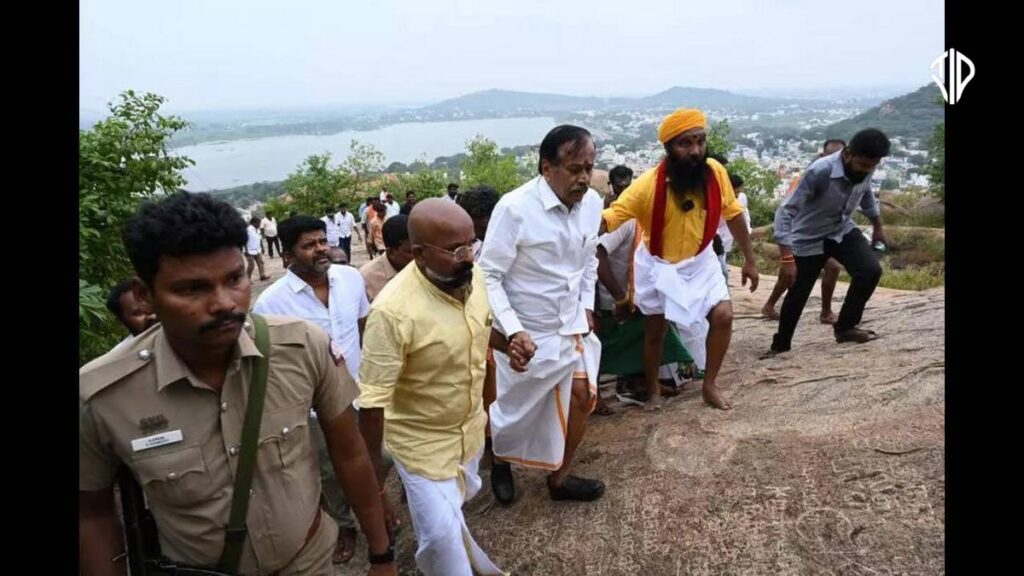
In the bustling city of Madurai, the Thiruparankundram Hill stands as a monumental symbol of faith, being one of the six sacred abodes of Lord Murugan. Traditionally, this site is a hub for religious weddings and spiritual gatherings, reflecting the deep-seated cultural fabric of the region.
However, the serene atmosphere has recently been replaced by political friction over the lighting of the Karthigai Deepam. What was once a local ritual has now transformed into a strategic focal point for national parties aiming to establish a stronger foothold in the state.
The Genesis of the Deepam Row
The controversy centers on the lighting of a traditional lamp on a specific stone pillar atop the hill. While the ritual has historical roots, it became a major legal flashpoint in 2025. The DMK government initially opposed the lighting, citing potential communal tension in the area.
This administrative caution provided an opening for the BJP to champion the cause of the devotees. By framing the restriction as an affront to religious freedom, the party successfully elevated a local administrative hurdle into a significant ideological battleground.
The Madras High Court eventually intervened, ruling in favor of the Hindu community’s right to perform the ritual. This legal victory was quickly adopted into the BJP’s campaign narrative, further intensifying the political discourse surrounding the temple.
Branding the Ayodhya of the South
In a calculated move, the BJP has begun referring to Thiruparankundram as the Ayodhya of the South. This terminology is designed to mirror the success of the Ram Janmabhoomi movement in North India, seeking to trigger a similar emotional and electoral resonance among Tamil voters.
By focusing on Lord Murugan, a deity central to Tamil identity, the party is attempting to blend religious sentiment with regional pride. Critics, however, view this as a form of realpolitik—a pragmatic approach to power that prioritizes political gain over traditional communal harmony.
Some observers argue that this strategy borders on a form of cultural separatism, where religious identity is positioned as distinct from the state’s secular governance. This approach aims to consolidate a specific voter base by highlighting perceived threats to religious traditions.
Shifting Caste Calculations
Beyond the religious narrative, the constituency is a laboratory for complex caste arithmetic. The Thevar community, which constitutes approximately 24% of the electorate, remains the most influential demographic in determining the final outcome of the polls.
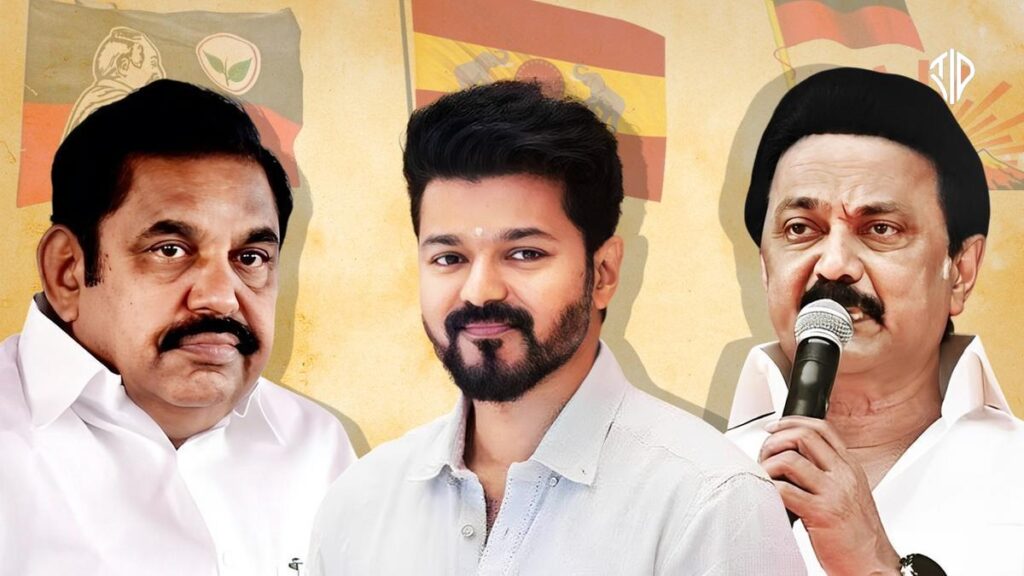
The AIADMK, led by incumbent MLA Rajan Chellappa, has traditionally relied on this base. However, the 2026 contest is complicated by the fact that the DMK and the newly formed TVK have also fielded candidates from the same community to split the vote.
| Candidate | Party | Primary Community | Strategic Focus |
|---|---|---|---|
| Rajan Chellappa | AIADMK | Thevar | Infrastructure & Development |
| Krithika Thanga Pandian | DMK | Thevar | Minority & SC Consolidation |
| CTR Nirmal Kumar | TVK | Thevar | Youth & Identity Politics |
Local Realities vs Political Narratives
Despite the heated rhetoric in television studios and manifestos, the situation on the ground remains surprisingly calm. Local shopkeepers and residents often report that there is no active communal tension, suggesting a disconnect between political framing and daily life.
The electorate also includes a significant Muslim population of about 10% and a Scheduled Caste community comprising roughly 12%. The outcome will likely depend on whether these groups consolidate or if the Thevar vote remains the primary deciding factor.
While the BJP promised a permanent lamp in its manifesto to maintain the Ayodhya of the South pitch, the AIADMK focuses on solving drainage and tourism issues. This contrast highlights the tension between symbolic politics and local governance.
Takeaways for the Electorate
The Thiruparankundram issue serves as a reminder of how local traditions can be nationalized for electoral benefit. Understanding these shifts is essential for voters who must navigate between high-decibel religious narratives and the practical needs of their community.
As the election approaches, the effectiveness of the Muruga strategy will be a litmus test for the BJP’s growth in Tamil Nadu. Whether voters prioritize the preservation of rituals or the promise of development remains the central question for 2026.
Key Takeaways
- The lighting of the Karthigai Deepam at Thiruparankundram Hill has transitioned from a local ritual into a major political and legal ideological battle.
- The BJP is employing a branding strategy labeling the site as the Ayodhya of the South to align Tamil religious identity with national political movements.
- The 2026 election outcome is heavily dependent on the Thevar community vote, which is being contested by AIADMK, DMK, and the newly formed TVK.
- There is a notable disconnect between high-level political narratives of communal friction and the calm realities reported by local residents and shopkeepers.
- The contest highlights a divergence in priorities between parties focusing on symbolic religious promises and those emphasizing infrastructure and governance.
Follow us on Instagram (@inner_detail) for more updates in your feed.