West Bengal: The 2026 West Bengal Assembly elections are witnessing a democratic crisis unlike any other. On Monday, April 13, the Supreme Court of India delivered a high-stakes ruling that has left the fate of over 34 lakh people hanging in the balance.
As the state prepares for a two-phase polling schedule on April 23 and 29, the court has made it clear: if your appeal against voter exclusion is still pending, you cannot vote.
This decision comes at a time when the political atmosphere in Bengal is already at a fever pitch. Here is everything you need to know about the “Special Intensive Revision” (SIR) controversy and what the Supreme Court’s latest order means for the electorate.
The Magnitude of the Exclusion
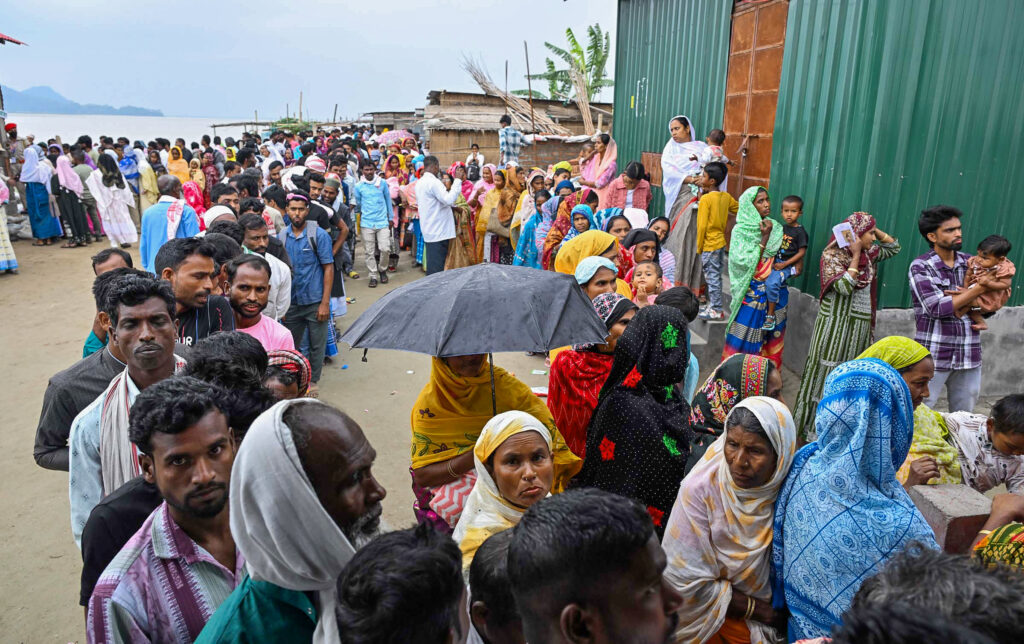
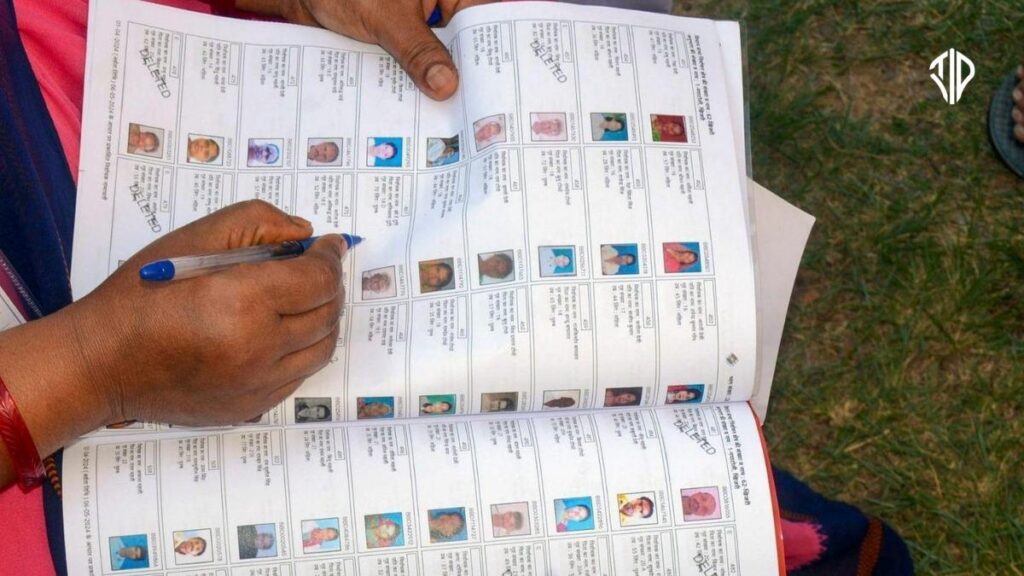
The numbers are staggering. Following an “inquisitorial” Special Intensive Revision (SIR) of electoral rolls, approximately 91 lakh voters were initially deleted from the lists in West Bengal. While many have fought to be reinstated, as of mid-April, over 34.35 lakh appeals remain pending before 19 Appellate Tribunals.
The Supreme Court Bench, led by Chief Justice of India Surya Kant and Justice Joymalya Bagchi, noted that each of these tribunals is currently buried under a mountain of paperwork, with over a lakh appeals pending per tribunal.
Despite the “sentimental and constitutional” right to vote, the court expressed that it cannot allow those whose names are not currently on the final roll to participate in the 2026 polls.
Why the Court Said “No” to Pending Appellants
The primary concern for the apex court is the logistical and judicial burden. Senior Advocate Kalyan Bandhopadhyay argued that since the tribunals only recently began functioning, it is impossible for them to adjudicate 34 lakh cases before the election. He requested that these individuals be allowed to vote while their appeals are pending.
However, CJI Surya Kant pointed out a logical stalemate: if the court allows those excluded to vote pending appeal, it would also have to bar those included who are facing appeals against their inclusion.
“We cannot create a situation where we burden the appellate tribunal judges,” the court stated, emphasizing that the integrity of the frozen electoral roll must be maintained to avoid total chaos on polling day.
The “Logical Discrepancy” Controversy
One of the most unique aspects of this crisis is a category termed “Logical Discrepancy.” Justice Bagchi observed that while the original SIR notification promised not to touch voters who were in the 2002 electoral roll, the introduction of this new category led to widespread purges.
Interestingly, this category appears to be unique to West Bengal. The court noted that in other states like Bihar, no such category was used for mass exclusions.
This has led to an “atmosphere of uncertainty and crisis,” as genuine voters—some possessing Indian passports and Aadhaar cards—found themselves suddenly removed from the rolls without clear reasons.
Is There Any Hope for the Excluded?
While the court has barred those with pending appeals, it has offered a small window of relief. Justice Bagchi clarified that if a tribunal manages to adjudicate and allow an appeal even a few days after the cut-off, the electoral roll can be amended via a supplementary list.
- The Cut-off: For the first phase of polling, the rolls were frozen on April 6. For the second phase, they were sealed on April 9.
- The Via Media: The court is considering a “via media” to allow those whose appeals are successfully resolved before the actual voting dates to be included in a supplementary roll.
The Political Fallout
The geographical data of the deletions has already triggered a political storm. Areas like Shamsherganj and Lalgola in Murshidabad district have seen the highest rates of voter removal, while the tribal belts of Purulia and Jhargram have seen the least.
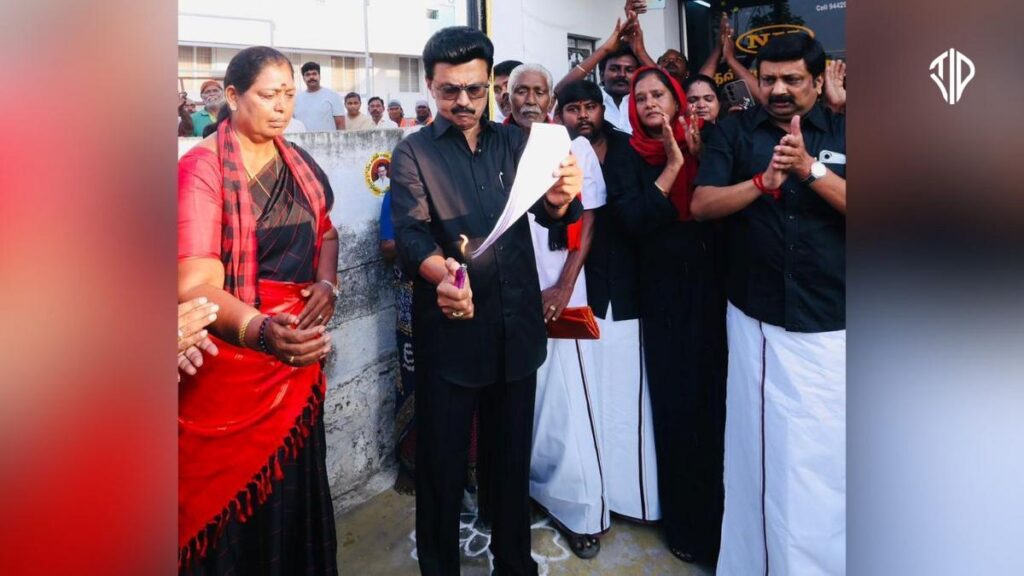
Chief Minister Mamata Banerjee has alleged “targeted exclusions,” while opposition leaders argue the process was necessary to “purify” the rolls and remove illegal voters.
Regardless of the political narrative, the reality remains that nearly 12% of the previously identified electorate has been sidelined, making the 2026 West Bengal election one of the most legally contested battles in Indian history.
What do you think? Is the “purification” of the electoral roll worth the risk of disenfranchising lakhs of citizens, or is this a blow to the democratic fabric of Bengal? Let us know in the comments below.