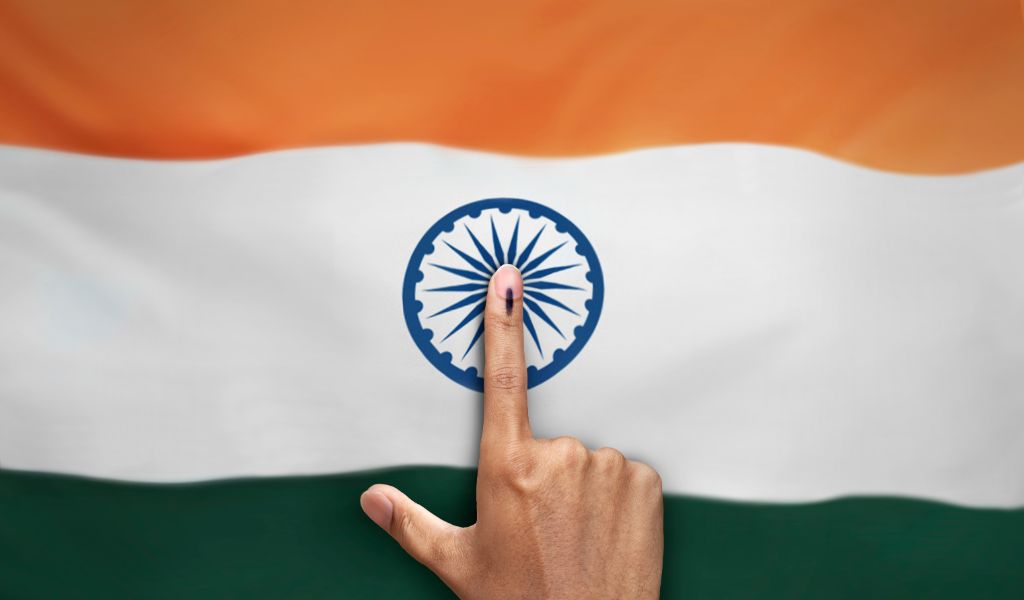
NEW DELHI — In a move that could fundamentally redefine how India votes, the Supreme Court of India on Monday, April 13, 2026, issued a formal notice to the Central Government and the Election Commission of India (ECI). The court is responding to a Public Interest Litigation (PIL) that seeks to replace or supplement manual voter identification with a mandatory fingerprint and iris-based biometric verification system at every polling booth.
The petition, filed by advocate and BJP member Ashwini Kumar Upadhyay, argues that the current system of voter ID cards and manual checks is no longer sufficient to stop modern electoral fraud.
As states like West Bengal and Tamil Nadu navigate high-stakes elections this month, the plea highlights a growing national concern over “ghost voting” and the integrity of the democratic process.
Key Takeaway Points
- SC Seeks Answers: The Supreme Court has officially asked the Centre and the ECI to respond to a plea for implementing iris and fingerprint verification at all polling stations.
- Curbing Electoral Fraud: The proposed system aims to eliminate “ghost voting,” impersonation, and duplicate voting by ensuring each citizen’s biometric signature allows for only one vote.
- Future Implementation Only: A Bench led by CJI Surya Kant clarified that these changes cannot be implemented for the ongoing 2026 state polls but will be examined for future elections.
- Aadhaar-Style Framework: The plea suggests using a mechanism similar to the Aadhaar database, leveraging existing biometric technology to verify voter identity in real-time.
- Financial and Legal Hurdles: The Court noted that such a transition would require significant changes to election rules and would impose a massive financial burden on the national exchequer.
The Argument for a Digital Shield
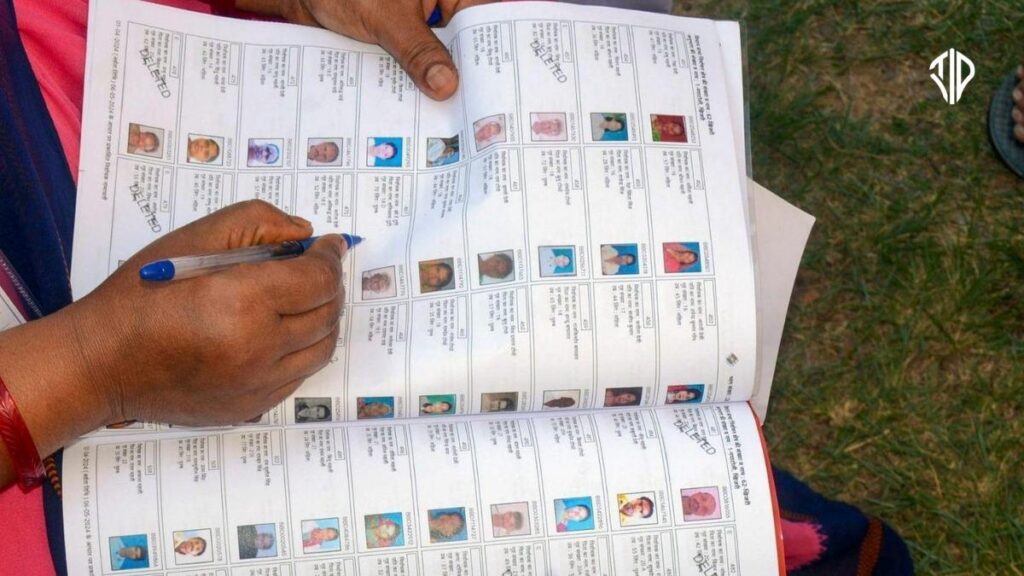
The petitioner contended that while the Election Commission has taken numerous steps to ensure fair play, the “injury to citizens” remains large. In the current 2026 cycle, allegations of bribery, undue influence, and impersonation continue to surface. The plea argues that manual verification is susceptible to clerical errors and outdated photographs, making it easy for “ghost voters” to slip through the cracks.
By introducing iris and fingerprint scans, the system would create a “Uniform Identity Checkpoint.” Even if a voter’s name appears in two different constituencies due to migration or administrative errors, their unique biometric data would prevent them from casting a second ballot.
The Court’s Pragmatic Stance
While the Bench of Chief Justice Surya Kant and Justice Joymalya Bagchi agreed that the proposal is worth examining, they were quick to temper expectations regarding immediate change. The court emphasized that the ECI possesses “plenary powers” under Article 324 to ensure fair elections, but implementing such a high-tech overhaul mid-election is a logistical impossibility.
“Prima facie, the nature of reliefs cannot be considered for the ensuing elections in some of the states. However, whether such a recourse deserves to be followed for the next parliamentary elections needs to be examined,” the Bench observed.
A Technical and Financial Crossroads
Beyond the legal arguments, the case brings to light the massive scale of Indian elections. Transitioning to biometric verification would require:
- Hardware Deployment: Installing biometric scanners in over a million polling booths across the country.
- Network Integration: Ensuring real-time connectivity to a central database in remote and rural areas.
- Rule Amendments: Rewriting sections of the Representation of the People Act and Election Rules to accommodate biometric data as a primary identification tool.
The Supreme Court noted that the “huge financial burden” is a critical factor that the Finance Ministry and the ECI must address. However, for a nation that has successfully implemented the world’s largest biometric ID program (Aadhaar), the leap to biometric voting may be more of a question of “when” rather than “if.”
As the legal proceedings move forward, the focus remains on ensuring that the sanctity of the “One Citizen, One Vote” principle remains unshakeable in the digital age.