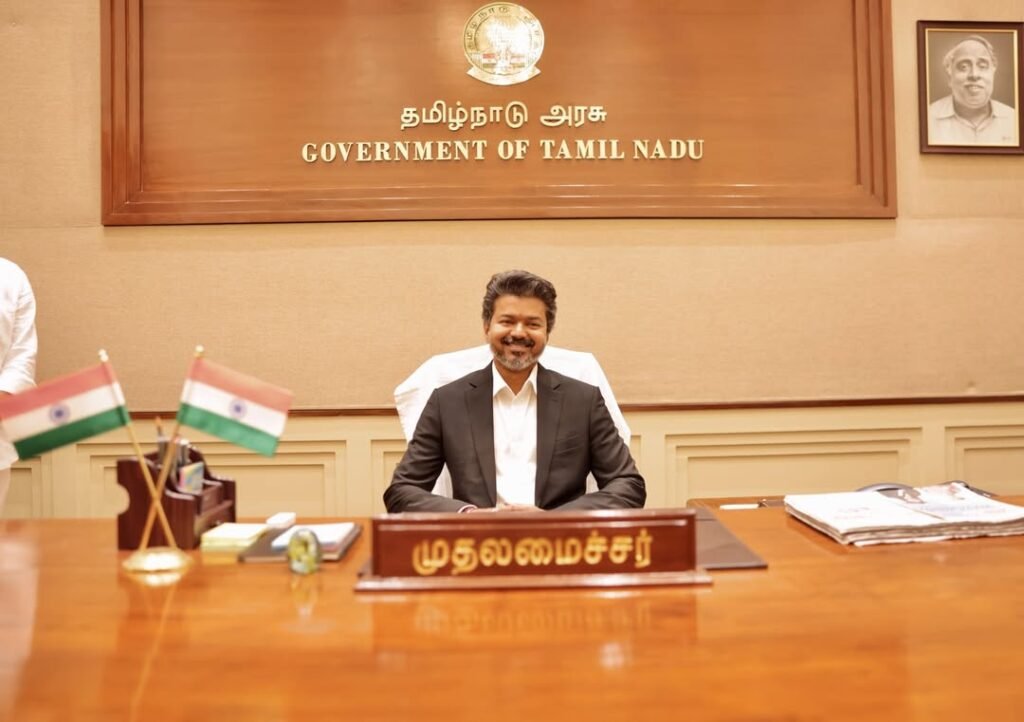
Tamil Nadu witnesses a historic political shift as TVK leader Vijay takes the oath as Chief Minister, ending a 60-year duopoly. Supported by a diverse coalition, the actor-turned-leader now faces the challenge of governance after a stunning debut in the assembly elections.
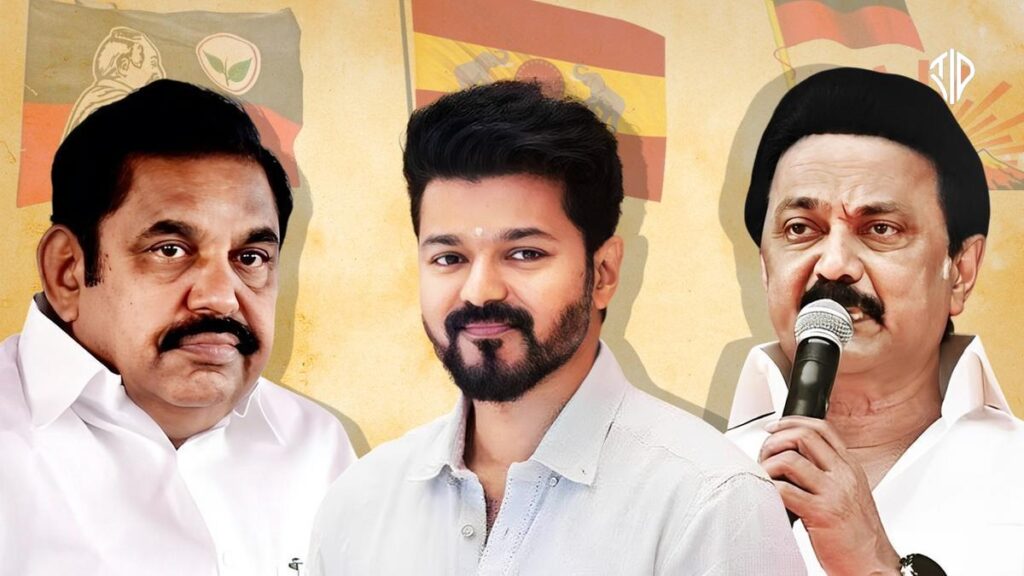
The political landscape of Tamil Nadu has long been a binary contest between the DMK and AIADMK, creating a power structure that seemed impenetrable for new entrants. This duopoly has defined the state’s socio-economic policies and regional identity for over half a century.
Recent election results have disrupted this long-standing equilibrium, signaling a profound shift in voter sentiment toward a third alternative. The emergence of a cinema icon into the executive seat reflects a tradition of film-stars-turned-leaders but with a modern, reformist twist.
The Historic Transition in Chennai
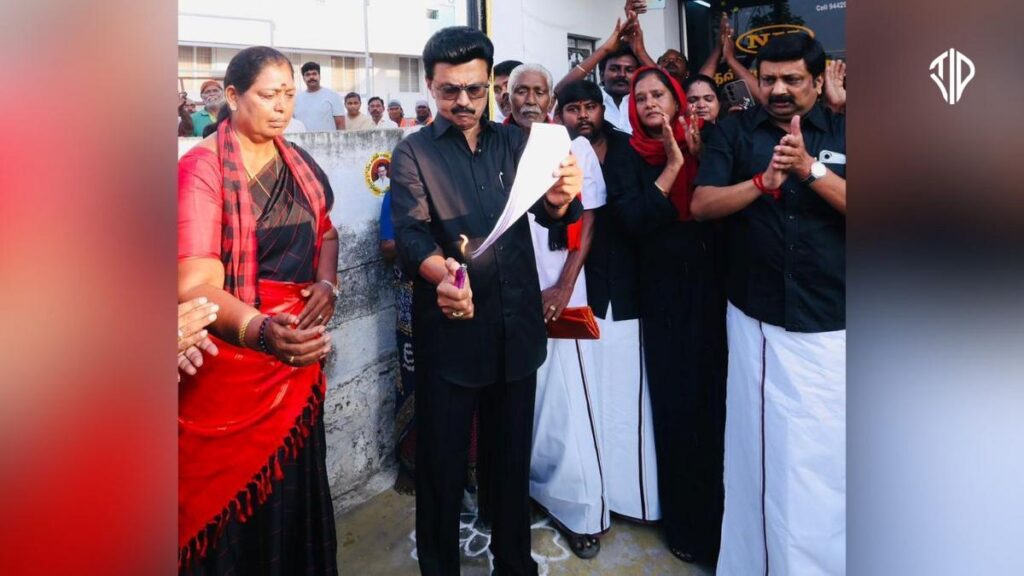
Vijay, known affectionately as Thalapathy to his massive supporter base, officially took his oath at the Jawaharlal Nehru Stadium in Chennai. The venue was packed to capacity, highlighting the public fervor surrounding this transition. The event marked the end of a sixty-year era dominated by two traditional Dravidian giants.
The ceremony was attended by various high-profile figures, including Congress MP Rahul Gandhi and Vijay’s parents, SA Chandrasekhar and Shobha. This broad attendance signals a level of national interest and acceptance of his new role. This transition is not just a change in leadership but a reconfiguration of the regional political order.
Despite winning 108 seats, the Tamilaga Vettri Kazhagam (TVK) fell short of the 118-seat majority mark required for a simple majority. This led to intense negotiations with potential partners to bridge the gap. The process required several rounds of talks with the Governor to prove a stable working majority.
Coalition Dynamics and Numbers
Support eventually arrived from the Congress, the Left parties, and key groups like the VCK, bringing the final coalition tally to 119 members. This diverse alliance must now find common ground on policy issues to ensure legislative stability. The inclusion of multiple parties suggests a more consultative approach to governance.
The Governor, Rajendra Vishwanath Arlekar, issued the appointment after being presented with written pledges of unconditional support from the allied parties. Vijay now faces a mandatory vote of confidence—a formal process where the assembly votes to prove the government has majority support—scheduled for mid-May.
| Party or Coalition Group | Seats Secured | Role in Government |
|---|---|---|
| Tamilaga Vettri Kazhagam (TVK) | 108 | Primary Governing Body |
| Indian National Congress | 5 | Strategic Coalition Partner |
| Left Parties (CPI and CPI-M) | 4 | Ideological Support Base |
| VCK | 2 | Majority Threshold Support |
The New Cabinet Composition
The new cabinet features a blend of veteran experience and youthful energy, including former revenue officers and young activists. Nine leaders took the oath alongside Vijay, representing a wide demographic and professional spectrum. This selection suggests a focus on administrative efficiency alongside grassroots political representation.
Among the prominent ministers is KA Sengottaiyan, a seasoned political figure who provides necessary experience to the young party. On the other end of the spectrum, 28-year-old S Keerthana represents the youngest voice in the history of the state cabinet. This balance aims to address both traditional governance and modern aspirations.
The cabinet also includes professionals like KT Prabhu, a dentist, and Arunraaj, a former Indian Revenue Service officer. This move to include technocrats indicates a shift toward a policy-driven administration. Strategic advisors like Aadhav Arjuna and ‘Bussy’ Anand will likely play key roles in shaping the party’s legislative agenda.
Evolution of Leadership and History
Tamil Nadu has a rich history of cinematic legends transitioning to the Chief Minister’s office, notably MG Ramachandran and J Jayalalithaa. However, Vijay’s rise is unique as he bypassed the established party structures to build his own movement from the ground up within a very short timeframe.
His journey from a child artist in the 1984 film Vetri to a lead actor has been followed by decades of carefully curated public image. The transition from Ilaya Thalapathy to the head of the state reflects a calculated long-term political strategy. He officially quit the film industry after Leo to focus entirely on this civic mission.
The success of the TVK in winning 108 seats in its debut election is an unprecedented feat in Indian regional politics. It mirrors a global trend where voters seek outsiders to disrupt established political norms. The coming months will determine how this cinematic charisma translates into tangible administrative results for the people.
Key Takeaways
- Vijay has officially become the Chief Minister of Tamil Nadu, ending 60 years of DMK and AIADMK rule.
- The Tamilaga Vettri Kazhagam (TVK) governs as part of a 120-seat coalition including Congress and the Left parties.
- The new cabinet includes a mix of technocrats, veteran politicians, and the state’s youngest-ever minister, S Keerthana.
- A formal vote of confidence in the state assembly is scheduled for mid-May to validate the new government’s majority.
Follow us on Instagram (@inner_detail) for more updates in your feed.