2026 Assembly Elections: The Battle for Tamil Nadu and West Bengal
This comprehensive guide explores the pivotal 2026 Assembly elections in Tamil Nadu and West Bengal, detailing voter demographics, key political shifts, and the strategic battle for regional supremacy.
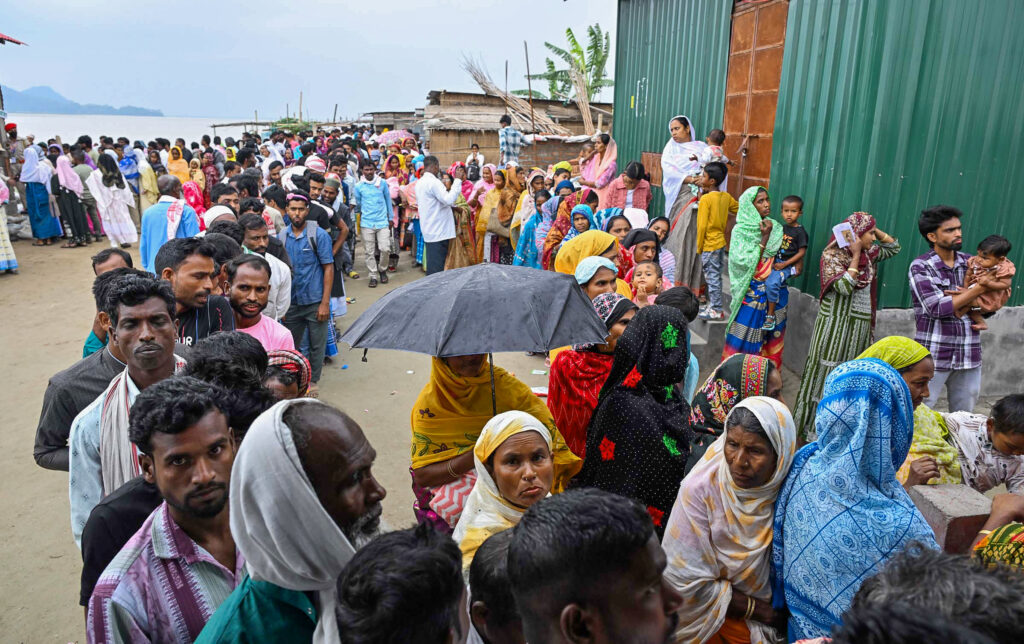
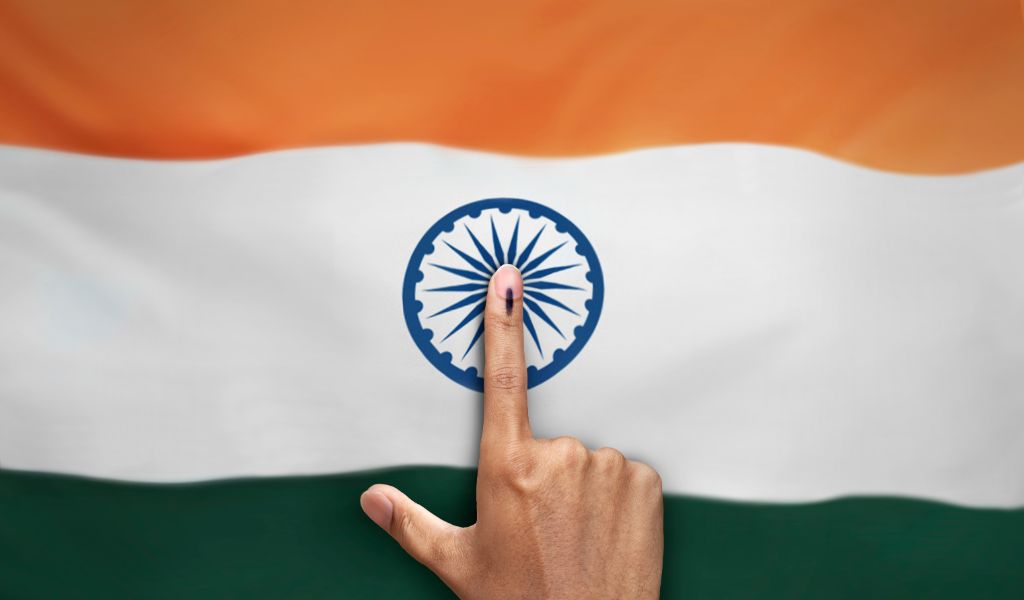
The air in Chennai and Kolkata is thick with the scent of political transformation as millions of citizens head to their respective polling stations. These elections represent far more than just local governance; they serve as a critical litmus test for regional dominance against national political expansion.
On the ground, long queues reflect a high-stakes struggle where identity, development, and social welfare serve as the primary currencies of influence. From the coastal belts of the south to the Himalayan foothills in the north, the 2026 mandate will likely redefine the federal structure of India for the next decade.
The Political Landscape of Tamil Nadu
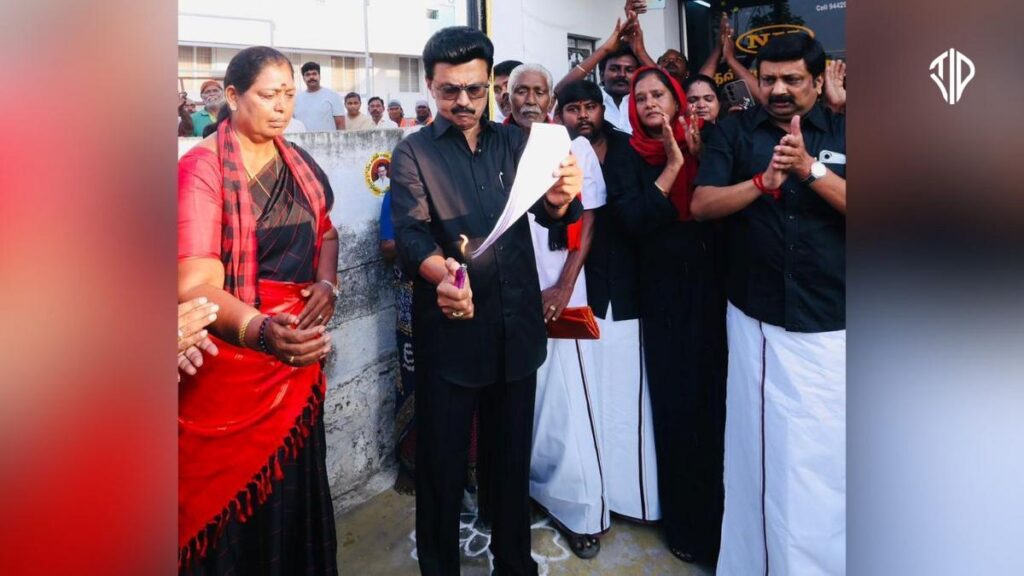
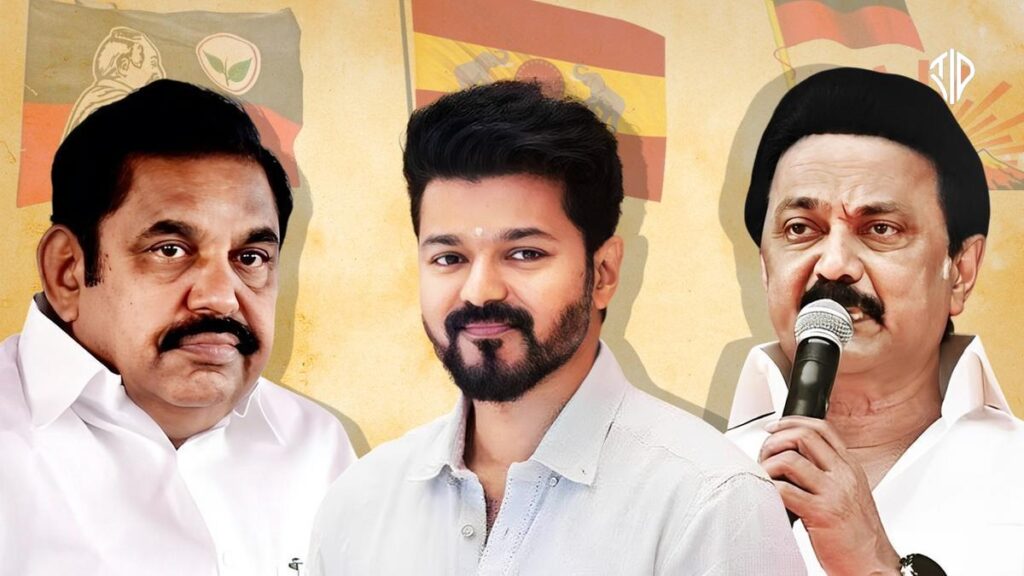
Tamil Nadu follows its established tradition of a single-phase election across all 234 assembly constituencies. The state has historically rotated power between two major camps, but the 2026 landscape features a significant new variable. Chief Minister MK Stalin is seeking a consecutive term, relying heavily on the Dravidian Model of social justice.
Dravidian politics refers to a political ideology centered on social equality, linguistic pride, and regional autonomy, primarily led by parties like the DMK and AIADMK. This philosophy has shaped the state’s unique developmental trajectory, often setting it apart from national trends in northern India.
Adding a layer of intrigue is the entry of Tamil superstar Vijay and his party, the Tamilaga Vettri Kazhagam (TVK). While the DMK-led alliance and the AIADMK-front remain the primary contenders, Vijay’s massive rallies suggest a shift in youth mobilization that could potentially disrupt traditional vote banks across urban centers.
West Bengal’s Multi-Phase Battle
In contrast, West Bengal has entered a grueling multi-phase electoral process, starting with a significant round covering 152 seats. The political atmosphere remains highly polarized, with the ruling Trinamool Congress facing a vigorous challenge from the Bharatiya Janata Party. Central forces have been heavily deployed to ensure security.
A key focus of the initial phase is North Bengal, which holds 54 assembly seats. Historically, this region has shown diverse voting patterns that often diverge from the trends seen in the southern districts. Issues such as local infrastructure, tea garden labor rights, and administrative transparency dominate the discourse between the leading candidates.
Comparative Data and Electoral Scale
To understand the immense scale of these elections, one must look at the volume of participants and the financial oversight involved. The Election Commission of India has reported record-breaking seizures of inducements, totaling over 1,072 crore rupees across both states since February, indicating an intense struggle for every vote.
| Category | Tamil Nadu Statistics | West Bengal (Phase 1) |
|---|---|---|
| Total Assembly Seats | 234 Seats | 152 Seats (Initial Phase) |
| Total Registered Voters | 5.73 Crore | 4.8 Crore (Approx. Phase 1) |
| Number of Candidates | 4,023 Candidates | 1,120 Candidates |
| Primary Alliances | DMK+ vs AIADMK+ | TMC vs BJP vs Left-Congress |
| Major Focus Areas | Social Welfare & Autonomy | Law, Order & Local Identity |
Key Battlegrounds and Candidate Dynamics
In West Bengal, the Nandigram constituency remains a symbolic epicenter of the struggle. Suvendu Adhikari, who previously secured a high-profile victory there, continues to be a central figure in the opposition. Meanwhile, Mamata Banerjee has consolidated her influence in Bhabanipur, a seat known for its cosmopolitan voter base and urban concerns.
Tamil Nadu presents a different statistical picture with over 4,000 candidates in the fray. The AIADMK, led by Edappadi K. Palaniswami, is attempting to reclaim ground by emphasizing the legacy of former leader J. Jayalalithaa. They are particularly targeting the rural electorate where their traditional Two Leaves symbol maintains significant recognition.
Historical Parallels and Civil Impact
Historically, regional parties in India have acted as bulwarks against national centralization. This trend mirrors global shifts where local identity movements challenge larger federal structures, similar to political dynamics seen in Catalonia. The 2026 results will signal if India is moving toward a more centralized or a more decentralized future.
For the casual observer, these elections are a masterclass in grassroots mobilization. For the active citizen, the impact is immediate. Legislative decisions following these polls will dictate economic policies, educational reforms, and healthcare spending for over 150 million people combined. The results are expected to be announced on May 4.
Voter Engagement and Data Visualization
The following data illustrates the distribution of voters across different demographics in the current election cycle. This highlights the importance of the youth vote and women voters in determining the final outcome in both states.
- Youth (18-35): 35%
- Middle Age (36-60): 45%
- Senior Citizens (60+): 20%
Key Takeaways
- The 2026 elections serve as a vital indicator of regional autonomy versus national political expansion in India.
- Tamil Nadu sees a potential disruption of traditional two-party dominance with the entry of superstar Vijay’s party.
- West Bengal’s multi-phase election remains highly polarized, with intense focus on North Bengal and administrative transparency.
- Record-breaking financial seizures of over 1,072 crore rupees underscore the intensity of the current electoral struggle.
Actionable Takeaways for Citizens
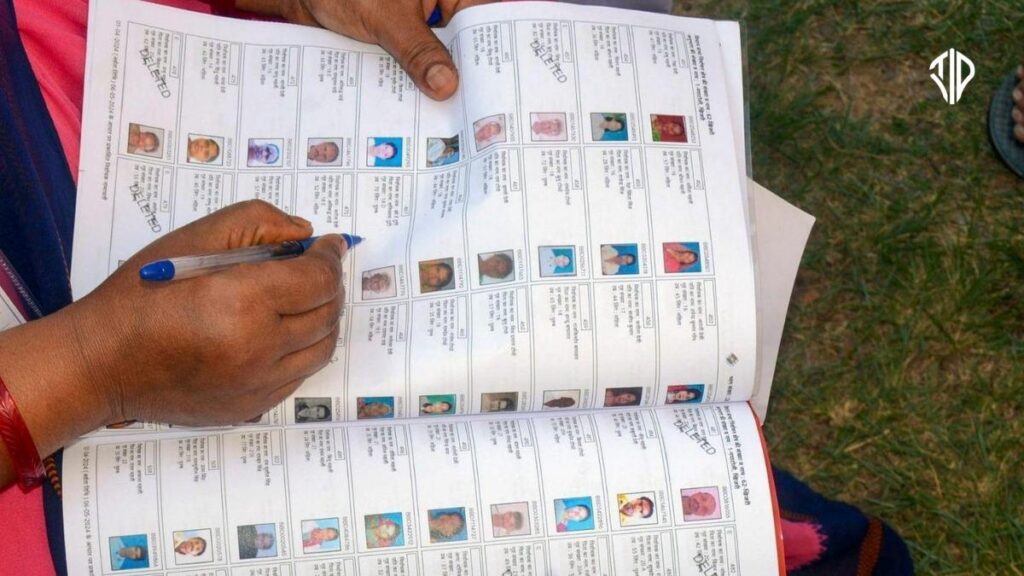
- Verification: Ensure your name is correctly listed on the electoral roll via the National Voters’ Service Portal.
- Identification: Carry your Voter ID card or one of the twelve approved alternative identification documents to the booth.
- Reporting: Use the cVIGIL mobile application to report any electoral malpractices or violations of the Model Code of Conduct.
Follow us on Instagram (@inner_detail) for more updates in your feed.