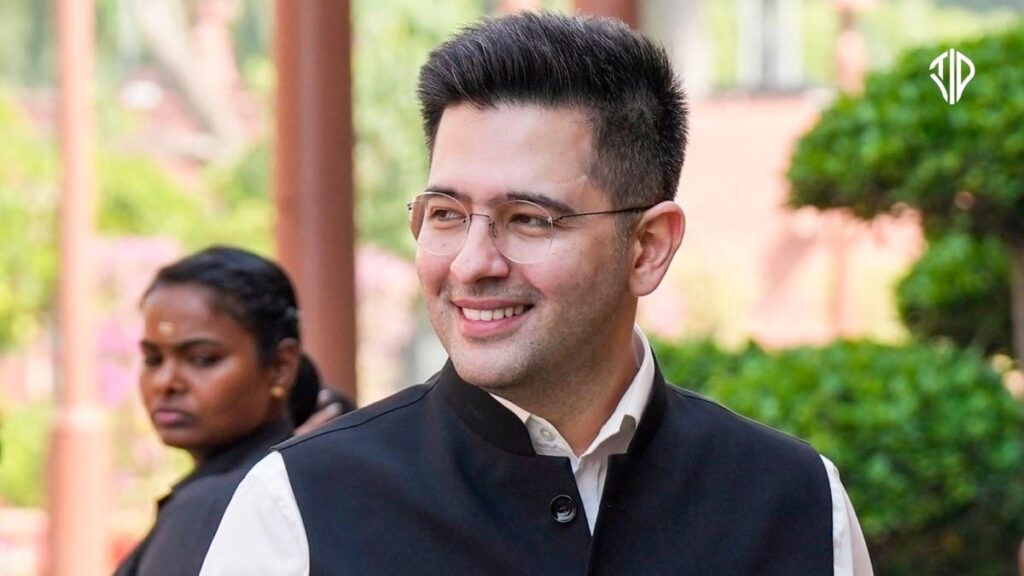
This article examines reports regarding the potential move of Raghav Chadha and two-thirds of the Aam Aadmi Party Rajya Sabha members to the BJP. We analyze the legal requirements for such a shift and the resulting impact on the national political landscape.
In the high-stakes theater of Indian politics, whispers of defection often serve as the opening act for significant structural shifts. Recent reports suggesting a major realignment within the Aam Aadmi Party have sparked intense debate across the national capital, highlighting the volatile nature of legislative alliances in a changing democratic environment.
Such transitions, if they occur, do not merely change seat counts but fundamentally alter the strategic depth of the opposition. Understanding these maneuvers requires a careful look at constitutional safeguards and the historical context of party mergers, which often redefine the relationship between regional powerhouses and national incumbents.
The Legal Framework of Political Defection
For a mass transition of elected officials to be legally valid in India, it must navigate the strictures of the Tenth Schedule of the Constitution. This law was designed to prevent political instability caused by frequent party hopping. Under current regulations, a split is only recognized as a legal merger if at least two-thirds of the legislative party members agree to join another entity.
This threshold is critical because it protects the defecting members from disqualification. If the reported two-thirds of AAP Rajya Sabha members were to move together, they would likely avoid the penalties usually associated with the anti-defection law. This concept, often termed as realpolitik, showcases how numbers dictate the survival of political careers during a crisis.
Historical Context and the Two-Thirds Rule
The 2003 amendment to the Constitution significantly raised the bar for legal defections. Previously, a one-third split was sufficient to avoid disqualification. By increasing this to two-thirds, the legislature aimed to curb small-scale opportunism while allowing for genuine ideological shifts or party mergers. We have seen similar instances in various state assemblies over the last decade.
The Role of Raghav Chadha in AAP
Raghav Chadha has long been considered a primary strategist and a prominent public face for the Aam Aadmi Party. His involvement in high-level policy making and his role in the Punjab election victory solidified his status as a key lieutenant to the party leadership. Any shift involving his exit would signal a major change in the internal chemistry of the organization.
Speculation regarding his political future has been fueled by his recent periods of public absence and the evolving dynamics within the Delhi administration. Observers note that high-profile shifts often reflect underlying tensions or a strategic recalculation regarding national influence. His move would be a significant gain for any receiving party due to his communication skills and urban appeal.
Potential Impact on the Rajya Sabha
The Rajya Sabha, or the Council of States, operates as a permanent body where party strengths influence the passage of crucial national legislation. A sudden shift of ten or more members would drastically alter the voting math for the ruling coalition. This would make the introduction and passing of controversial or reform-oriented bills significantly smoother for the government.
Current Political Strengths in the Upper House
The following table illustrates the potential shift in dynamics based on current Rajya Sabha seat distributions and the rumored transition.
| Category | Current Status (AAP) | Potential Outcome (Post-Shift) |
|---|---|---|
| Total Rajya Sabha Seats | 10 | 3 or fewer |
| Legislative Influence | High (Veto power in blocks) | Minimal |
| Constitutional Standing | Independent Opposition | Absorbed or Diminished |
| Strategic Role | National Challenger | Regional Presence |
Strategic Implications for the BJP
For the Bharatiya Janata Party, absorbing a significant chunk of the AAP leadership would serve two purposes. First, it would weaken a direct rival in the sensitive Delhi and Punjab regions. Second, it would consolidate their authority in the upper house, reducing their reliance on smaller regional parties to pass key legislative reforms.
Fresh Perspectives on Global Trends
This trend of consolidation is not unique to India. Globally, we see a move toward larger political blocs as smaller, ideologically focused parties struggle to maintain momentum against well-funded national machines. This phenomenon, known as political catch-allism, often leads to a more centralized form of governance where executive power is bolstered by a cooperative legislature.
Actionable Takeaways for the Reader
Citizens should monitor official notifications from the Rajya Sabha Secretariat to verify any change in seat designations. Legislative shifts are often finalized through formal petitions to the Chairman of the Rajya Sabha. Following these procedural steps provides a clearer picture of the political reality than relying solely on early social media reports or unsourced leaks.
The evolving situation reminds us that in democratic structures, political survival is often a game of numbers and legal precision. As these events unfold, the focus will remain on whether the rumored shift meets the constitutional mandate or leads to a prolonged legal battle in the courts.
Key Takeaways
- Constitutional Mandate: A legal merger requires at least two-thirds of a party’s legislative members to join another party to avoid disqualification under the Tenth Schedule.
- Strategic Shift: The potential exit of Raghav Chadha, a key strategist, would fundamentally change the internal dynamics and public perception of the Aam Aadmi Party.
- Legislative Impact: A mass transition in the Rajya Sabha would significantly strengthen the ruling coalition’s ability to pass major legislative reforms without relying on smaller parties.
- Global Context: The move toward larger political blocs is a global trend reflecting the struggle of smaller parties against centralized national political machines.
Follow us on Instagram (@inner_detail) for more updates in your feed.