The Legislative Shift Toward Women’s Reservation by 2029
This article explores the legislative shift to fast-track the 33 percent women’s reservation in India by 2029, analyzing the political strategy and the expansion of Lok Sabha seats.
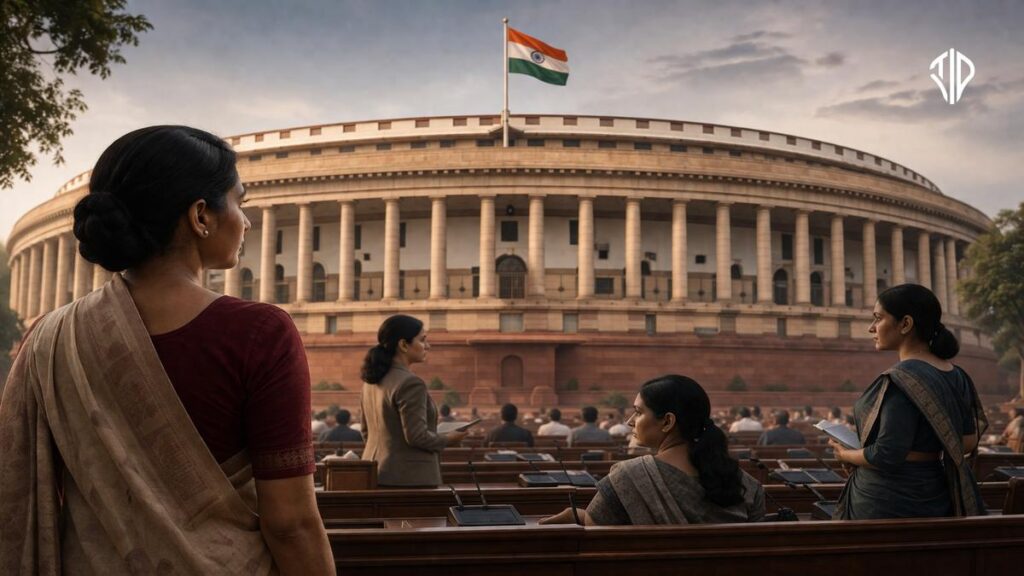
The scene in Indian politics is shifting as the 2029 general elections approach. For decades, the demand for gender parity in legislatures remained a distant dream, often stalled by procedural hurdles. Today, the legislative landscape is changing rapidly through new amendments designed to bypass traditional delays.
Recent moves in the Lok Sabha suggest a significant acceleration of this agenda. By introducing three specific bills in April 2026, the government aims to ensure that one-third of legislative seats are reserved for women. This shift marks a departure from the previous timeline, which was tied to the completion of a national census.
The Mechanics of the 2026 Legislative Shift
The central government introduced the Constitution (One Hundred and Thirty-First Amendment) Bill, 2026, alongside the Delimitation Bill and the Union Territories Laws (Amendment) Bill. These documents are designed to fast-track the Nari Shakti Vandan Adhiniyam, a landmark act passed earlier to secure 33 percent reservation for women in Parliament.
The primary change in 2026 is the decision to delink the reservation from the lengthy census process. Previously, implementation was contingent upon a fresh census and a subsequent delimitation exercise—the process of redrawing constituency boundaries. By decoupling these, the government aims to have the quota active by the 2029 elections.
To accommodate this reservation without reducing the number of seats available for general candidates, the government proposes expanding the Lok Sabha. The current cap of 550 seats, established in 1976, is set to rise to 850. This reflects India’s population growth from 54 crore to approximately 140 crore over the last five decades.
| Feature | Previous Framework (2023) | Proposed 2026 Update |
|---|---|---|
| Implementation Date | Post-Census (Uncertain) | Target 2029 Elections |
| Lok Sabha Seat Cap | 550 Seats | 850 Seats |
| Linkage to Census | Strictly Linked | Delinked for Faster Execution |
| Delimitation Basis | 2021 Census Data | Proportional 50% Increase |
Why Now? The BJP’s Strategic Timing
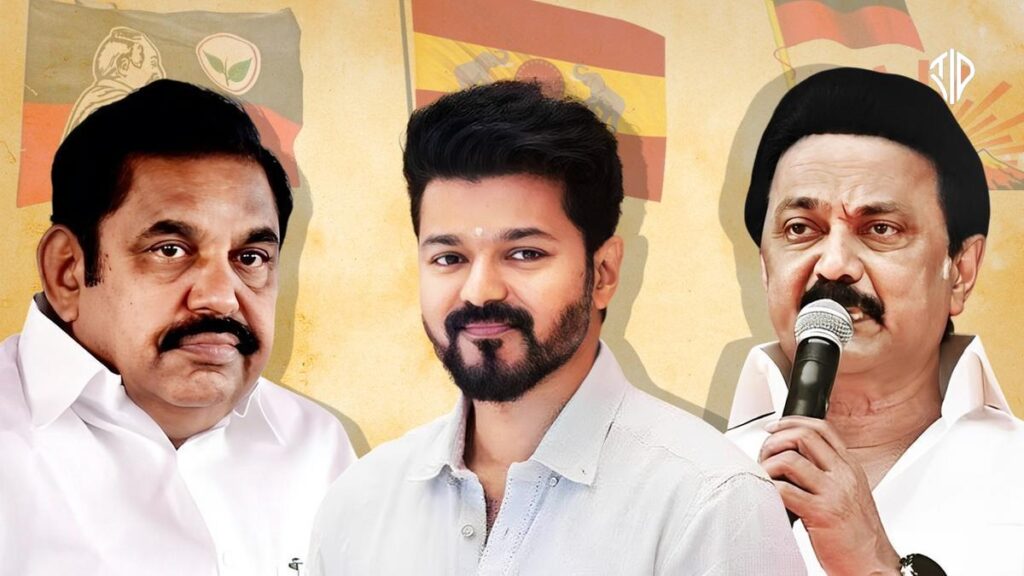
Critics often ask why the Bharatiya Janata Party (BJP) is pushing this now after being in power for twelve years. The timing appears deeply tied to electoral mathematics. By positioning itself as the champion of women’s rights, the party seeks to solidify a loyal female voter base, often referred to as a “silent vote bank.”
This legislative push serves as a powerful narrative for upcoming elections. It allows the ruling party to claim credit for a historic social reform that previous administrations failed to deliver. By fast-tracking the bill, the BJP ensures that the benefits—and the political optics—are visible before the next major national contest.
Furthermore, the expansion of seats to 850 allows the party to manage internal competition. More seats mean fewer sitting members are displaced by the 33 percent reservation. This reduces friction within the party ranks while simultaneously appealing to the broader electorate through a lens of progressive empowerment and modernized representation.
The Opposition’s Stance and Regional Concerns
The opposition’s hesitation isn’t necessarily against the reservation itself, but rather the method of its implementation. Many parties demand a separate quota for Other Backward Classes (OBC) and minorities within the 33 percent. They argue that without these sub-quotas, the reservation will primarily benefit women from privileged backgrounds.
There are also significant concerns regarding delimitation. Southern states, which have successfully managed population growth, fear that a seat increase based on population would favor Northern states. However, the 2026 proposal suggests a uniform 50 percent increase across all states to maintain current proportional representation.
For example, Tamil Nadu currently holds about 23.76 percent of Lok Sabha seats. Under the new proposal, while their total number of seats would increase from 129 to 195, their percentage of the total House would remain nearly identical at 23.87 percent. This mathematical approach aims to neutralize regional anxiety regarding political marginalization.
Civil Impact and Future Outlook
The Nari Shakti Vandan Adhiniyam represents more than just a seat count; it signifies a shift in realpolitik. If the 2026 bills are fully enacted, the 2029 elections will see a record number of women in the halls of power. This could lead to a more diverse policy focus on healthcare, education, and social safety nets.
For the average citizen, this means a change in how local constituencies are managed. With more seats and a mandated gender quota, the pool of leadership will expand. This is an invitation for increased civic engagement among women who previously felt excluded from the high-stakes environment of national politics.
As the debate continues, the focus remains on whether these changes will be implemented with transparency. The success of the 2026 bills will depend on the government’s ability to conduct a fair delimitation and address the opposition’s demands for inclusive representation across all social strata.
Key Takeaways
- Strategic Decoupling: The 2026 legislative update delinks the women’s reservation from the census, targeting implementation for the 2029 general elections.
- Seat Expansion: The Lok Sabha is proposed to expand from 550 to 850 seats to accommodate the 33 percent quota without displacing current representatives.
- Proportional Delimitation: To address regional concerns, the seat increase is designed as a uniform 50 percent rise across all states to preserve existing political weight.
- Political Narrative: The timing aligns with the BJP’s effort to consolidate a “silent vote bank” of female voters through historic social reform.
Follow us on Instagram (@inner_detail) for more updates in your feed.