This article examines the political fallout in India following controversial remarks endorsed by Donald Trump. We analyze the opposition’s critique of Prime Minister Modi’s diplomatic silence and its potential impact on Indo-US relations.
During a high-stakes election season in India, a single social media repost from across the Atlantic can ignite a domestic political firestorm. When Donald Trump shared a post labeling India a hellhole, the digital space became a battlefield of national pride and diplomatic scrutiny.
Diplomatic relations are often built on years of careful negotiation, yet they can be strained by the rhetoric of key political figures. In New Delhi, this incident has shifted the focus from policy achievements to the strength of personal rapport between world leaders and the dignity of a nation.
The Catalyst of the Controversy
The controversy erupted after Trump reposted a transcript from radio host Michael Savage. In the text, Savage criticized birthright citizenship—the legal right to citizenship for anyone born in a country’s territory. He suggested migrants come from hellholes like India or China.
Furthermore, the post characterized Indian professionals using the derogatory term gangsters with laptops. This rhetoric directly targets the highly skilled Indian diaspora that has historically been a pillar of American economic and technological success.
Opposition Leaders React Sharply
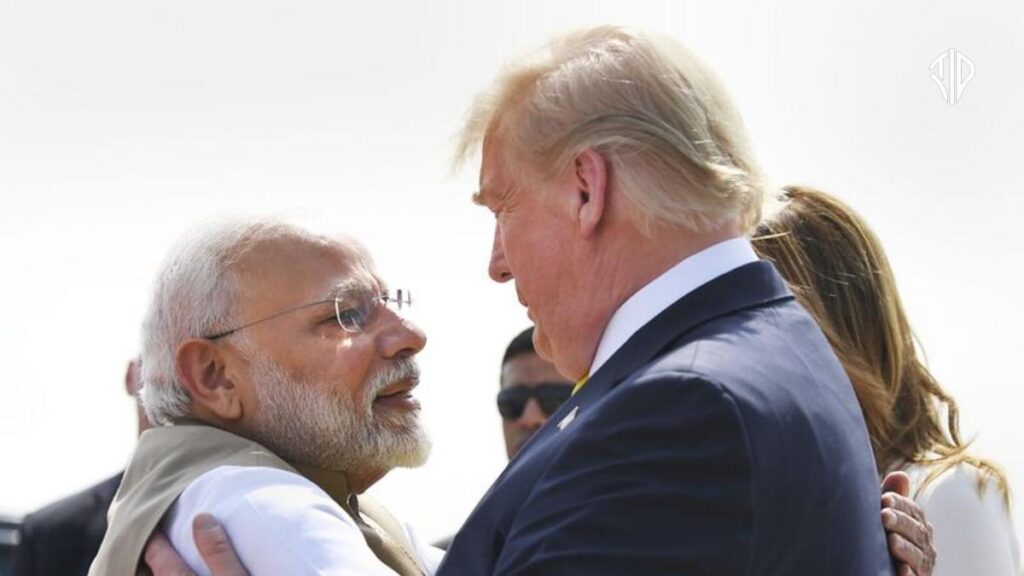
Mallikarjun Kharge, President of the Congress party, questioned why the Prime Minister remained silent. He noted that despite the Namaste Trump event, which celebrated their friendship, the Indian government’s response seemed hesitant. Kharge argued that Indian interests were being sidelined.
Mahua Moitra of the Trinamool Congress added a sharp critique of the administration. She asked if the government would officially protest or simply ignore the insult during campaign rallies. This highlights a growing tension between domestic electoral optics and international dignity.
Official Diplomatic Response
The Ministry of External Affairs (MEA) eventually issued a statement to address the growing public outcry. Spokesperson Randhir Jaiswal described the remarks as uninformed and inappropriate. He emphasized that such comments do not reflect the reality of the deep-rooted India-US partnership.
Meanwhile, the US Embassy attempted damage control to maintain bilateral stability. They released a statement clarifying that Trump views India as a great nation. They reiterated the personal bond between the leaders to soothe rising tempers among the Indian public and political observers.
Comparison of Political Reactions
| Entity | Stance | Primary Argument |
|---|---|---|
| Congress Party | Critical | Questioned the silence of the PM and cited economic trade deals. |
| Trinamool Congress | Aggressive | Demanded a formal protest against the derogatory labeling of Indians. |
| MEA | Neutral/Cautious | Termed the remarks as being in poor taste and uninformed. |
| US Embassy | Defensive | Focused on the personal friendship between Trump and Modi. |
Analyzing the Power Dynamics
This situation brings the concept of realpolitik to the forefront. This refers to a system of politics based on practical objectives rather than moral or ideological premises. The Indian government may be weighing the cost of a public spat against the long-term benefits of a strategic alliance.
Historically, India has navigated verbal friction with Washington while maintaining core strategic ties. During the Cold War, diplomatic rhetoric was often harsh, yet functional cooperation continued behind the scenes. The current silence may be a calculated move to protect trade and defense interests.
Actionable Takeaways for Citizens
For the average citizen, this event underscores the importance of civic engagement. Understanding how international rhetoric influences domestic policy is vital for a well-informed electorate. Keeping a close eye on official government protests can reveal much about a country’s global standing.
Public sentiment often drives diplomatic shifts. When citizens demand accountability for national dignity, it forces a more transparent foreign policy. Watching how these narratives evolve in the coming weeks will provide a clearer picture of the resilience of the Indo-US relationship.
Key Takeaways
- The controversy was sparked by a social media repost labeling India a hellhole and referencing professionals as gangsters with laptops.
- Opposition parties have used the incident to question the strength of Prime Minister Modi’s personal diplomacy with international leaders.
- The Ministry of External Affairs maintained a cautious tone, prioritizing strategic stability over rhetorical confrontation.
- This event highlights the tension between domestic political optics and the realpolitik of international trade and defense alliances.
Follow us on Instagram (@inner_detail) for more updates in your feed.